
The Sofos — Εκπαιδεύστε το Μυαλό σας με Παιχνίδια, Εργαστήρια & Καθημερινές Προκλήσεις
Δωρεάν πλατφόρμα brain training με 15+ παιχνίδια, διαδραστικά physics labs και βιβλιοθήκες γνώσης — πλέον σε web, iOS και Expo mobile.
Αναζήτηση
Βρέθηκαν 141 αποτελέσματα για “logic”.
Δωρεάν πλατφόρμα brain training με 15+ παιχνίδια, διαδραστικά physics labs και βιβλιοθήκες γνώσης — πλέον σε web, iOS και Expo mobile.
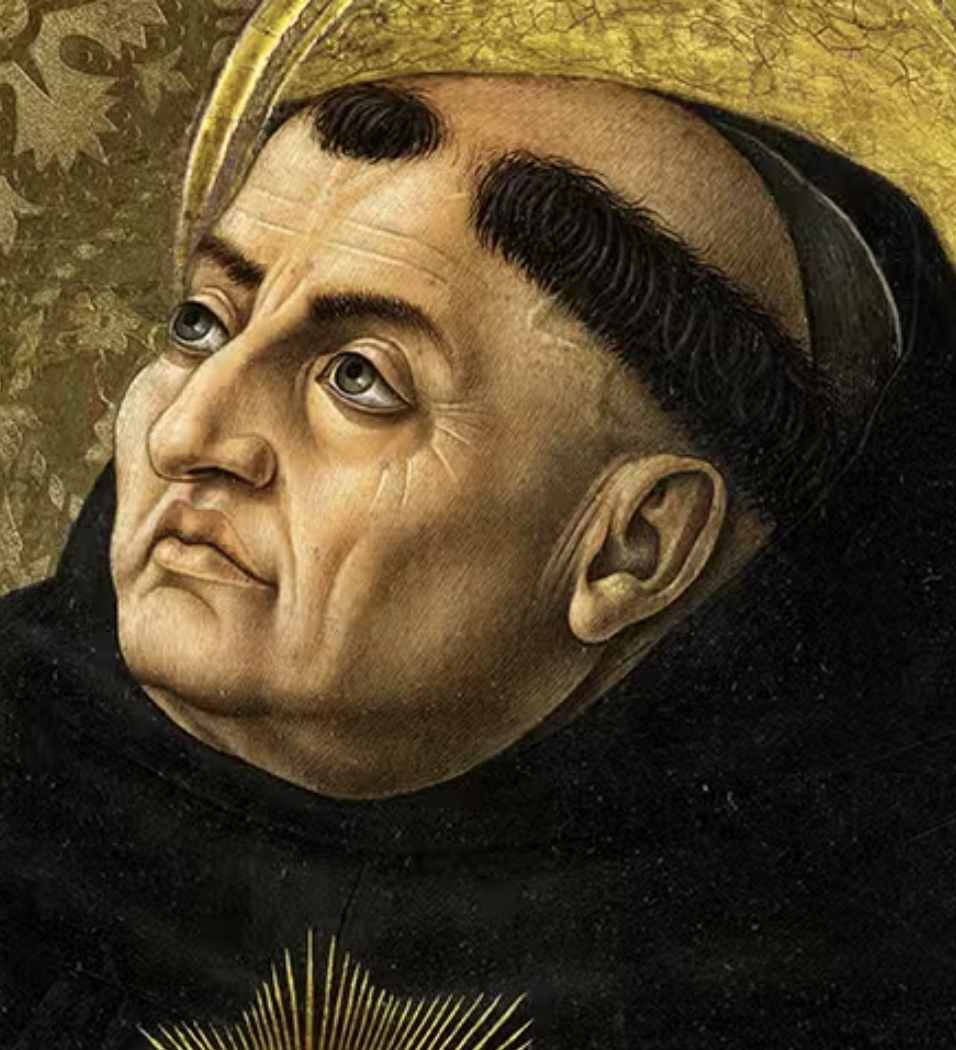
The philosopher who bridged heaven and earth through reason and faith Imagine a mind so curious that it seeks not only to understand the world but also to understand God, morality, and the ultimate purpose of life. This was the mind of Thomas Aquinas, a 13th-century philosopher and theologian whose work harmonized faith and reason, showing that belief and logic need not conflict, but can illuminate one another.
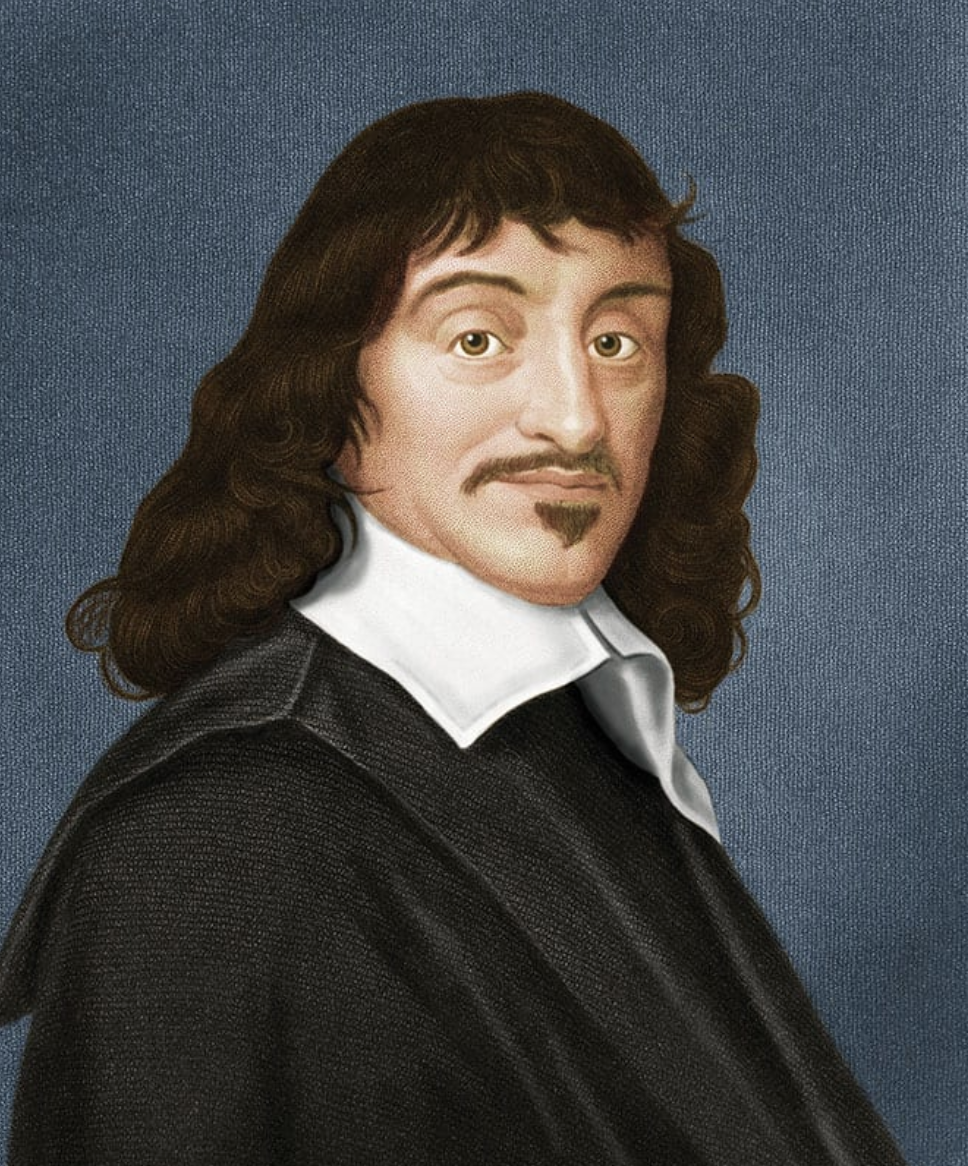
The philosopher who taught the world to question everything, starting with himself Imagine sitting alone in a quiet room, pondering the mysteries of life: What can I truly know? What is real? How do I distinguish truth from illusion? This was the world of René Descartes, the 17th-century French thinker who revolutionized philosophy by teaching the power of clear thought, reason, and self-reflection.
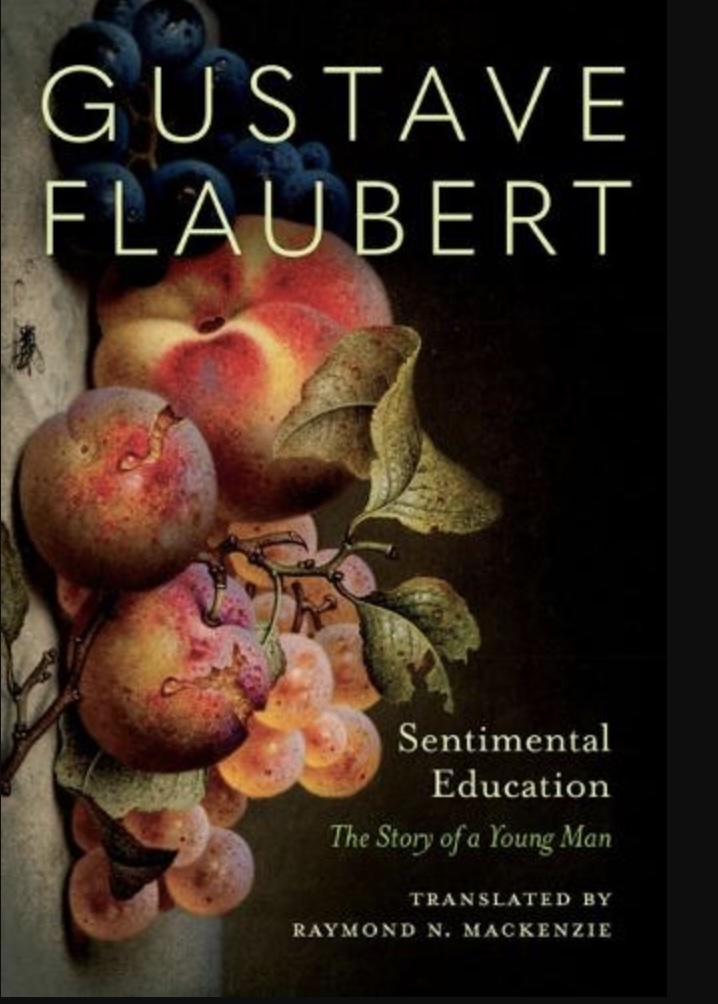
If Madame Bovary is a tragedy about the fatal collision of dreams and reality, Sentimental Education is a slow-burn study of how dreams just sort of... fade away. Published in 1869, this is Gustave Flaubert’s most ambitious work, often cited by critics as one of the greatest novels ever written, even if it initially baffled readers.
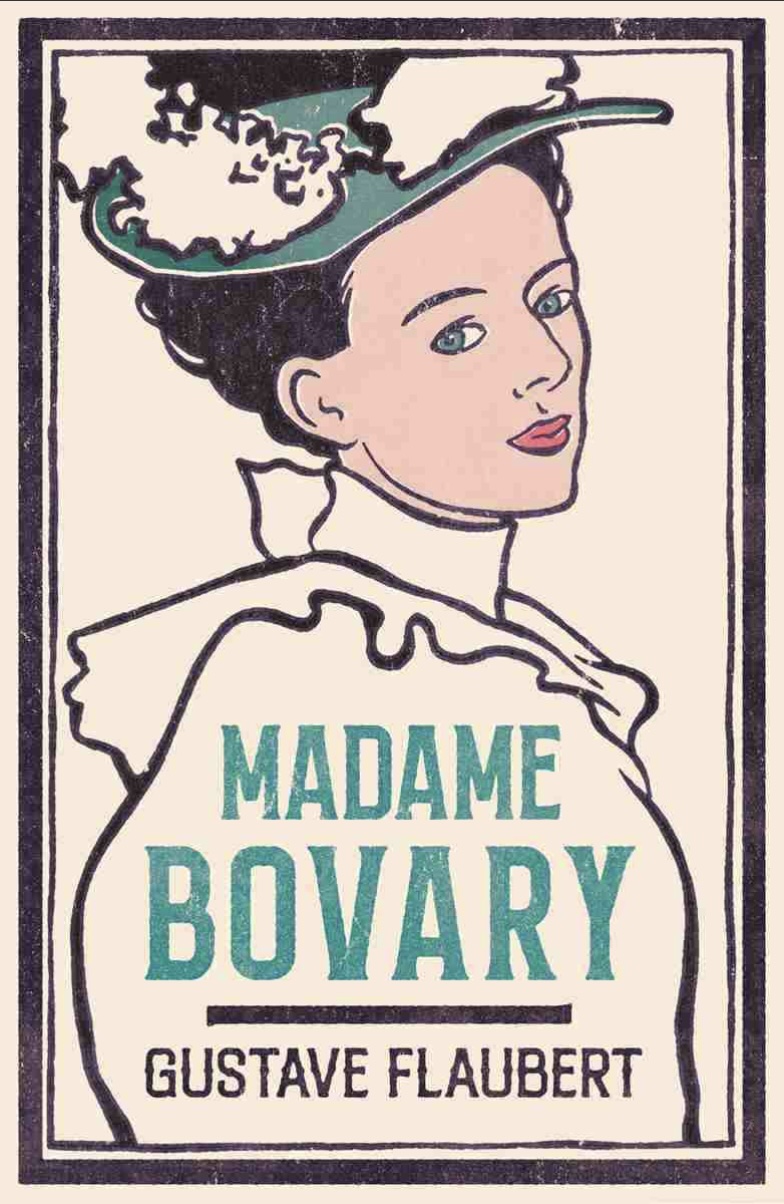
Before there was Desperate Housewives or Sex and the City, there was Emma Bovary. Published in 1856, Madame Bovary is the novel that effectively invented modern realism. It caused a massive scandal upon release—Flaubert was literally put on trial for obscenity—because it dared to treat adultery not as a moral failing to be preached against, but as a symptom of a bored, unsatisfied life.
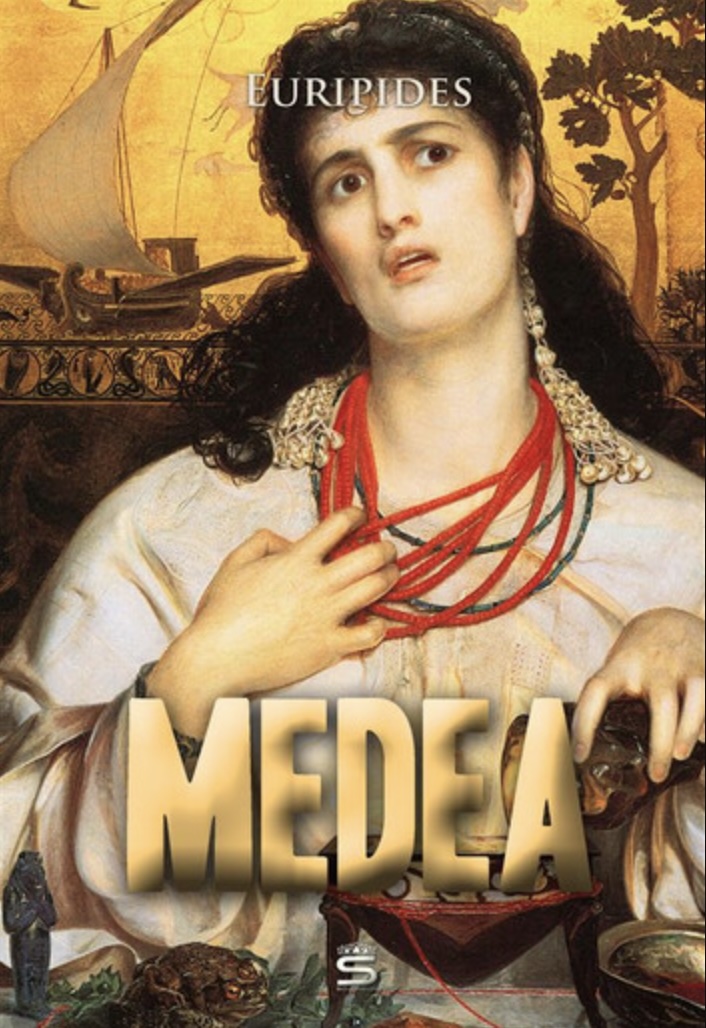
If you think modern psychological thrillers are dark, wait until you meet Medea. First performed in 431 BC, this Greek tragedy by Euripides is a blistering exploration of betrayal, rage, and the terrifying lengths a person will go to when pushed too far.
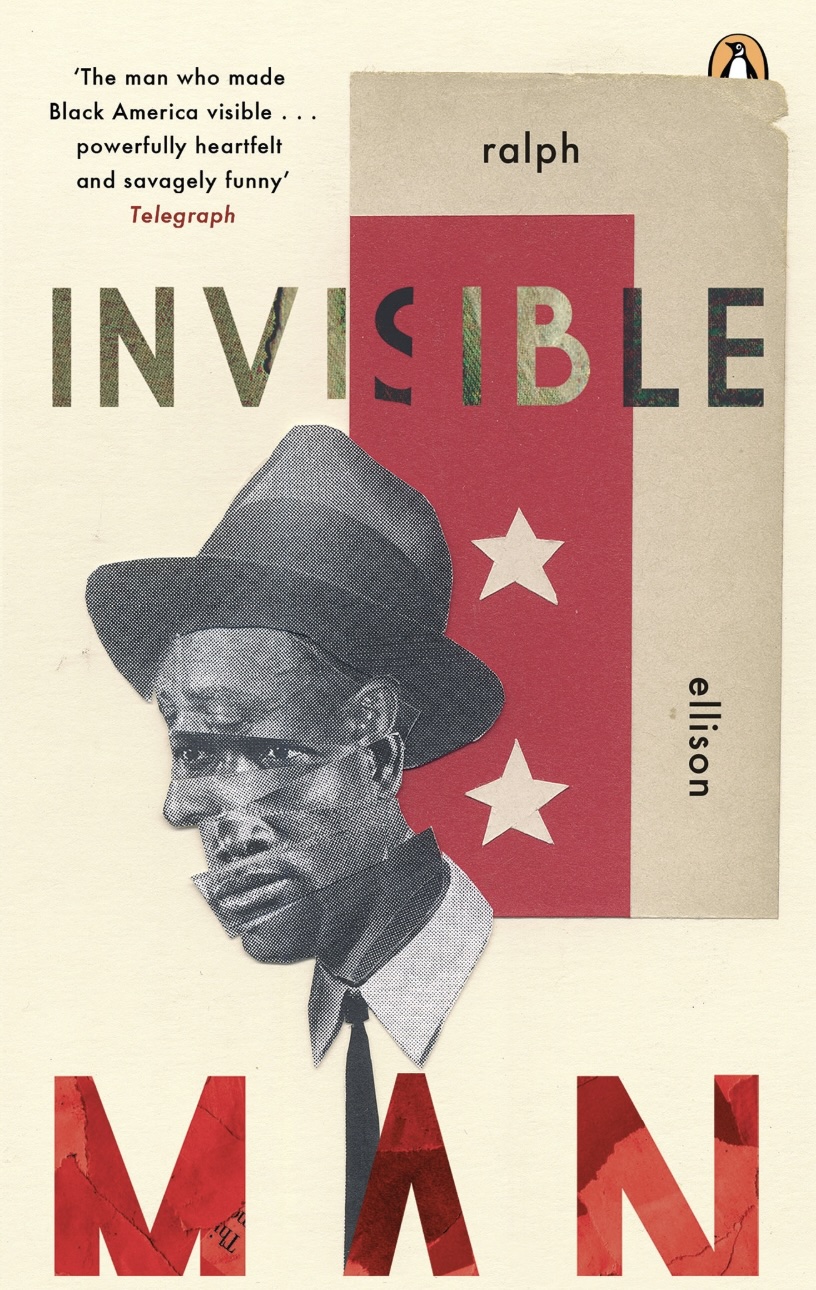
"I am an invisible man." With that simple, shattering declaration, Ralph Ellison opened his 1952 monumental debut, Invisible Man, and fundamentally reshaped the landscape of American letters. This novel is the sprawling, satirical, and profound journey of an unnamed young Black man from the Jim Crow South to the dynamic, deceptive streets of 1930s Harlem, chronicling his realization that the greatest obstacle he faces isn't outright hatred, but the willful blindness of the white world.
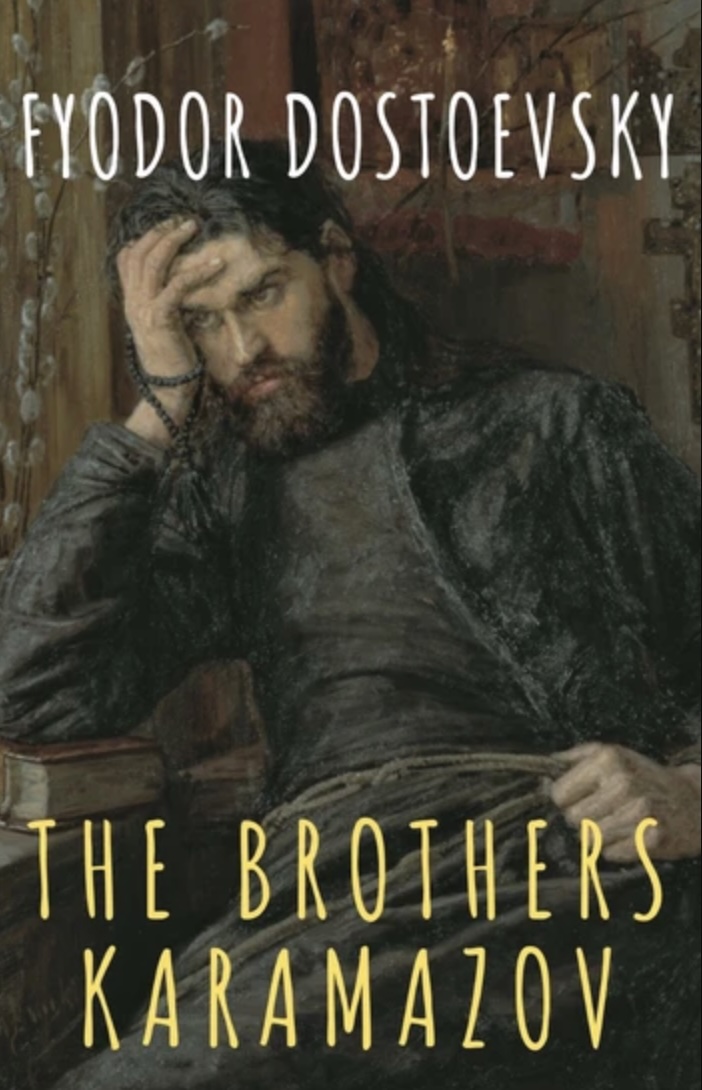
Welcome to the family from hell. Fyodor Dostoevsky's final and most monumental novel, The Brothers Karamazov (1880), is a towering achievement of world literature. It is simultaneously a gripping murder mystery, a passionate love story, a blistering courtroom drama, and the deepest philosophical inquiry into the nature of faith, doubt, and freedom ever written in novel form.
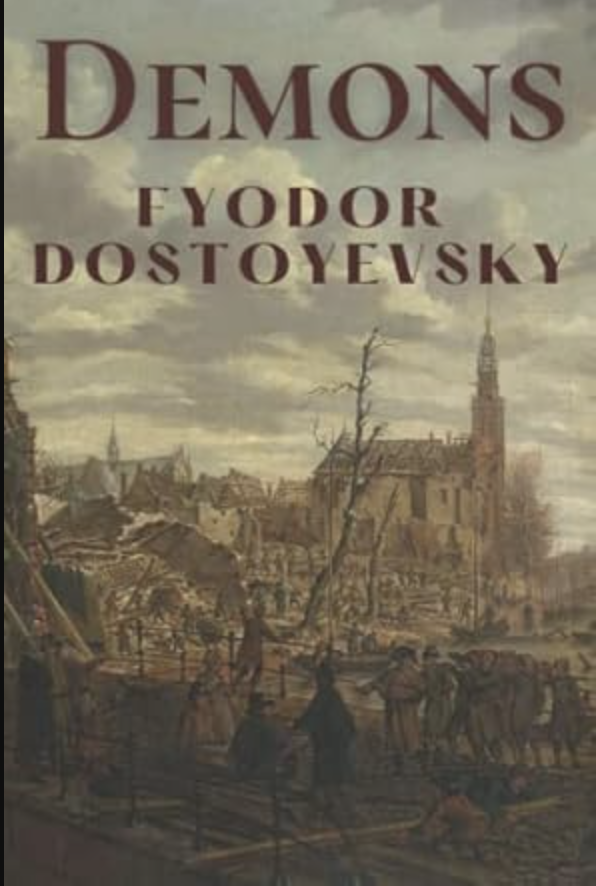
Welcome to the darkest, most prophetic corner of Dostoevsky's mind. Demons (1872), also published as The Possessed, is more than a novel; it is a furious, searing political and spiritual critique and a terrifyingly accurate prediction of 20th-century totalitarianism. Set in a provincial Russian town, the book chronicles the infiltration and self-destruction of a small cell of radical, nihilistic revolutionaries.
If Crime and Punishment asks whether a great man has the right to murder, Dostoevsky's 1869 follow-up, The Idiot, asks a far more terrifying question: Can absolute goodness survive in a fallen world?